Compare Local Contractors for Home Surveillance Installation
Compare local contractors to define project scope, verify experience, and set clear expectations for your home surveillance system.
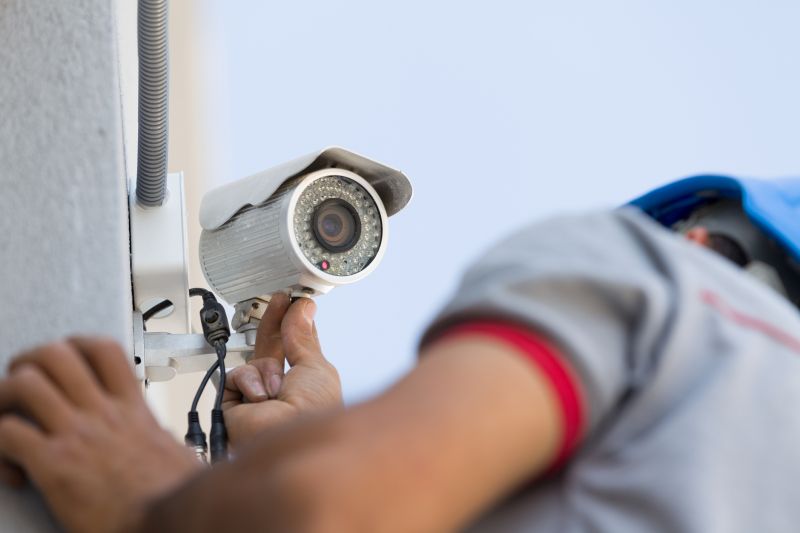
Home surveillance installation projects typically cover the planning, setup, and integration of security camera systems designed to monitor residential properties. This work can include assessing the property layout to determine optimal camera placement, selecting appropriate equipment such as cameras, sensors, and recording devices, and installing wiring or wireless connections to ensure reliable operation. Contractors may also handle configuring the system settings, integrating with existing security features, and providing guidance on system use. Clearly defining the scope of work helps property owners understand what is included, whether it’s a basic camera setup or a comprehensive security network, ensuring that all necessary components are addressed and expectations are aligned.
Establishing a well-defined scope is essential when working with contractors for home surveillance services because it helps prevent misunderstandings and scope creep. By specifying the exact locations for cameras, the types of equipment to be installed, and any additional features such as remote access or motion detection, property owners can ensure that the project meets their security needs. Written agreements that outline the scope of work, responsibilities, and deliverables serve as a reference point throughout the project, making it easier to manage expectations and verify that the work performed aligns with initial plans. This clarity can also facilitate smoother communication and reduce the potential for disputes or surprises.
When comparing local contractors for home surveillance services, property owners should consider a variety of factors to make informed decisions. It’s helpful to review each service provider’s experience with similar projects and verify their familiarity with the specific types of security systems desired. Asking for references or examples of completed work can provide insight into their capabilities and professionalism. Additionally, it’s important to evaluate how each contractor approaches scope definition, communication, and documentation, as these elements influence the overall success of the project. By carefully comparing these aspects, property owners can select service providers who align with their security goals and work practices, leading to a more satisfactory installation experience.
Compare local contractors by outlining your priorities, verifying experience, and clearly defining project expectations in writing.
- Compare Contractor Credentials - review the experience and background of service providers to ensure they meet project requirements.
- Define Project Scope Clearly - outline specific surveillance needs and expectations to facilitate accurate proposals.
- Verify Work Experience - assess previous projects and client references to gauge contractor reliability and expertise.
- Document Agreements in Writing - establish detailed contracts that specify scope, responsibilities, and deliverables for clarity.
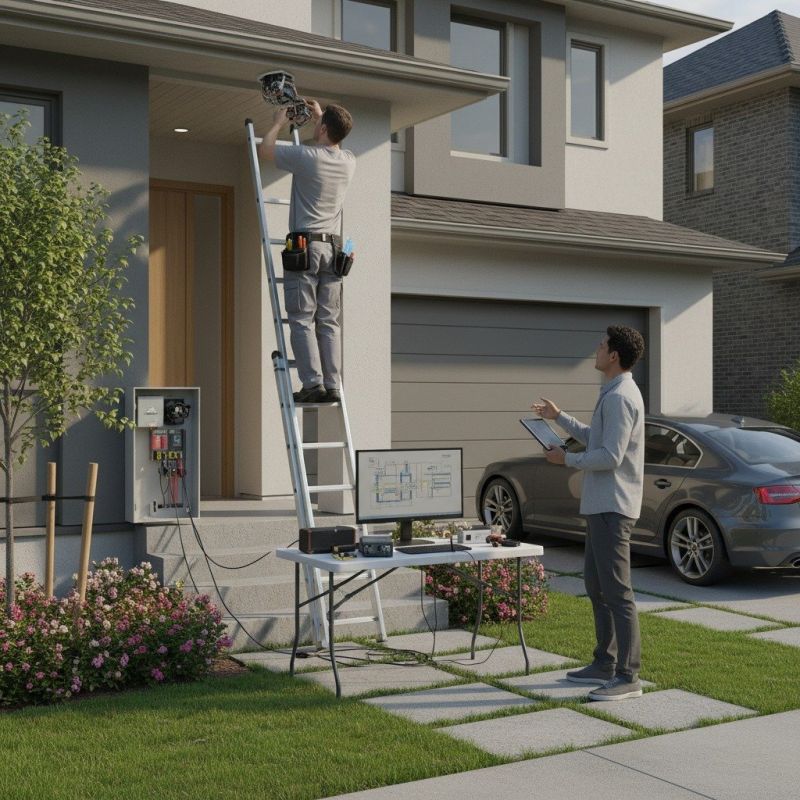
Clearly describe your home surveillance project to effectively compare contractors, verify experience, and set written expectations.
- Verify the experience and reputation of local contractors specializing in home surveillance services. - Ensure service providers have a clear understanding of different security system types and features.
- Compare the scope of work offered by various local contractors to match specific surveillance needs. - Clarify which areas or property zones will be monitored and what equipment is included.
- Check that service providers can provide detailed written descriptions of the installation and setup process. - Confirm that expectations regarding system placement, wiring, and integration are documented.
- Assess whether local contractors can offer references or examples of previous home surveillance projects. - Use this information to evaluate their experience and quality of work.
- Ensure all project details, responsibilities, and deliverables are outlined in a comprehensive written agreement. - This helps prevent misunderstandings and sets clear expectations.
- Determine if service providers are knowledgeable about current surveillance technology and security standards. - This ensures the system will meet current security requirements and compatibility needs.
Compare local contractors, clarify project scope, verify experience, and set clear expectations in writing.
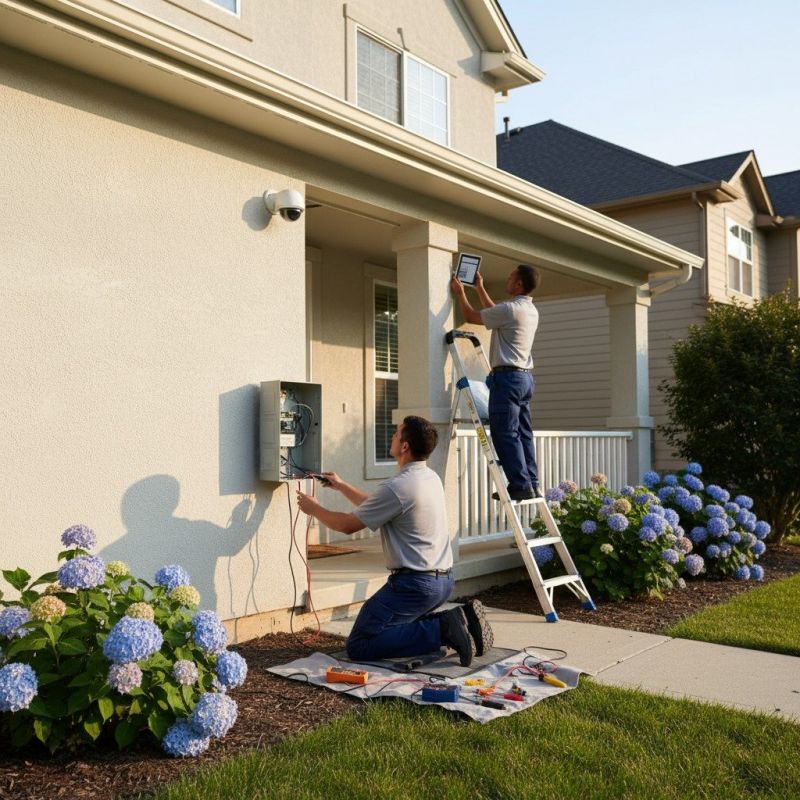
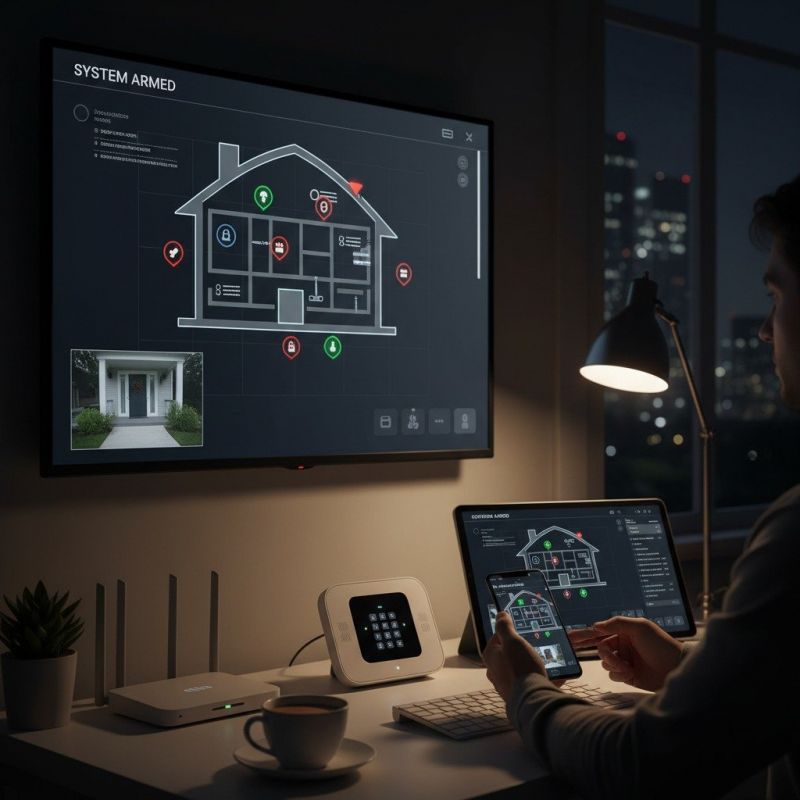
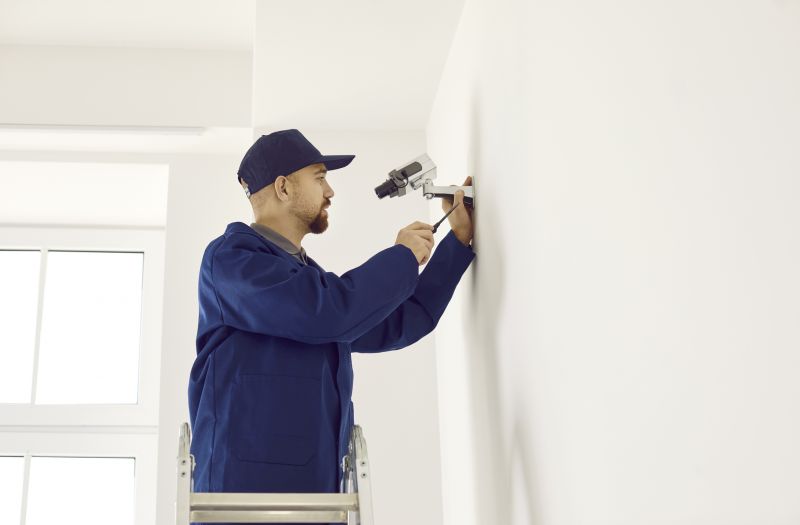
A clear scope builder helps compare local contractors consistently by defining work details, verifying experience, and setting expectations in writing.
- Scope Definition - Clearly outline the specific surveillance system features and coverage areas required for the property.
- Experience Verification - Confirm that service providers have relevant experience with home surveillance installations and system configurations.
- Service Offerings - Identify the types of surveillance equipment and technologies that local contractors can provide and install.
- Installation Expectations - Specify the desired installation process, placement of cameras, and integration with existing security systems if applicable.
- Written Agreement - Ensure all project details, responsibilities, and scope are documented in a formal agreement before work begins.
When comparing contractors for a home surveillance service, it is important to assess their experience with similar projects. Homeowners should inquire about the types of surveillance systems the service providers have installed in the past and whether they have worked on homes of comparable size and complexity. A contractor’s familiarity with different security technologies and their ability to handle the specific needs of a residence can influence the quality and reliability of the installation. Verifying the background of potential service providers in terms of their previous work can help ensure that they possess the practical knowledge necessary for a successful project.
Having a clear, written scope of work is essential when evaluating contractors for home surveillance. This document should outline the specific tasks involved, such as the number and placement of cameras, integration with existing systems, and any additional features like remote access or motion detection. A well-defined scope helps prevent misunderstandings and sets clear expectations for both parties. Homeowners are encouraged to request detailed descriptions of the proposed work to ensure that the project’s objectives are fully understood and agreed upon before any work begins.
Verification of a contractor’s basic practices can be a useful step in the selection process. This includes confirming that the service provider follows standard procedures for system installation, such as proper wiring, mounting, and testing of equipment. It’s also helpful to ask about their approach to troubleshooting and ongoing support. While formal licensing or certification may not be required, understanding a contractor’s general approach to quality and professionalism can provide insight into their reliability. Gathering references or examples of previous installations can further verify their competence and adherence to industry norms.
When evaluating options among local service providers, it is beneficial to compare their experience, scope of work, and verification practices side by side. Homeowners should look for detailed, written descriptions of the proposed surveillance setup and inquire about the contractor’s familiarity with similar projects. Asking about their process for testing and confirming system functionality can help set expectations for the installation’s quality. By focusing on these aspects, homeowners can make informed decisions that align with their security needs, ensuring they select a contractor capable of delivering a dependable and well-executed home surveillance solution.
Ask for written scope of work to ensure clear expectations and consistent understanding with service providers.
- Experience and Credentials - What experience do local contractors have with installing and maintaining home surveillance systems?
- Scope of Services - How do contractors define the scope of work to ensure all surveillance needs are covered?
- Equipment and Technology - What types of surveillance equipment and technology do the service providers typically recommend?
- Warranty and Support - Do contractors provide written warranties or guarantees for their installation and equipment?
- Project Expectations - How do local service providers clarify project scope and set expectations in writing before work begins?
What should I consider when choosing a contractor for home surveillance installation? It’s important to compare local contractors based on their experience, scope of services, and reputation. Defining your surveillance needs clearly helps ensure the contractor can meet your expectations effectively.
How can I verify a contractor’s experience in home surveillance services? Ask for details about their past projects, client references, or examples of similar installations. Ensuring they have relevant experience can help set proper expectations for the work.
What is the best way to define the scope of a home surveillance project? Clearly outline the areas to be monitored, types of cameras or systems desired, and any additional features. Documenting these details in writing helps prevent misunderstandings.
How do I compare different home surveillance contractors effectively? Review their service offerings, experience, and reputation. Request written proposals that specify the scope of work, materials, and responsibilities for each contractor to facilitate comparison.
Why is it important to have a written agreement with a home surveillance contractor? A written agreement clarifies the scope, expectations, and responsibilities of both parties, helping to ensure the project proceeds smoothly and reduces potential disputes.
What questions should I ask contractors before hiring for surveillance services? Inquire about their experience with similar projects, the types of equipment they recommend, and how they handle project scope and changes. This helps ensure alignment with your needs and expectations.
This page has provided an overview of how to find and evaluate contractors for home surveillance services. Visitors learned the importance of clearly defining the scope of work, verifying the experience of service providers, and setting expectations in writing to help ensure a smooth process. Comparing local contractors can help identify options that align with specific needs and preferences.
To move forward, using the quote form allows for easy comparison of local service providers who can handle home surveillance projects. This approach helps connect with qualified contractors and gather information to make informed decisions tailored to individual requirements.